Introduction
For many eye lens wearers, eye dryness can be a persistent and uncomfortable issue. Understanding how to manage dry eye symptoms is crucial for maintaining eye health and enjoying the perks of eye lenses. This article explores the relationship between eye lenses and eye dryness, offering practical solutions and treatment options for those struggling with this typical problem.
Understanding Eye dryness and Eye lenses
Dry eye syndrome is a complex condition with multiple potential causes, not just insufficient tear production. While inadequate tear quantity can contribute to eye dryness, there are many other factors that can lead to this condition, including:
- Age-related changes
- Medications
- Allergies
- Eye lens wear and eye lens solutions
- Meibomian gland dysfunction (affecting tear grade)
- Medical health issues (such as diabetes, Sjögren's syndrome, rheumatoid arthritis)
- Previous eye surgeries
While anyone can experience eye dryness, eye lens wearers may face additional challenges as lenses can interfere with the realistic tear film.
Typical symptoms of eye dryness in eye lens wearers can include:
- Irritation and discomfort
- Redness
- A gritty or sandy feeling in the eyes
- Blurred vision
- Increased sensitivity to light
That said, it's crucial to note that not all individuals with eye dryness experience noticeable symptoms. In some cases:
- Eye lenses may mask the symptoms
- Long-term dry eye sufferers may become desensitized to the discomfort
- Nerve damage in the eyes could result in reduced sensation, leading to a lack of awareness of dry eye symptoms
This variability in symptoms underscores the importance of regular eye care check-ups. Even if you're not experiencing discomfort, an eye care professional can detect and address dry eye issues before they lead to more serious complications.
How Eye lenses Can Exacerbate Dry Eye Symptoms
Eye lenses sit directly on the eye's surface, which can disrupt the tear film and reduce oxygen flow to the cornea. This can lead to increased evaporation of tears and contribute to dry eye symptoms.
Causes of Eye dryness in Eye lens Wearers
Several factors can contribute to eye dryness when putting on eye lenses:
Environmental Factors
- Low humidity environments
- Windy or dusty conditions
- Air conditioning or heating
Lens Material and Design
- Some lens materials may not retain moisture as effectively
- Ill-fitting lenses can cause increased friction and dryness
Putting on Habits and Hygiene
- Overwearing lenses beyond recommended times
- Poor lens rinsing practices
- Not replacing lenses as scheduled
Ways to Relieve Dry Eye Symptoms
Proper Eye lens Care and Hygiene
Maintaining rinse lenses is crucial for preventing dry eye symptoms. At all times follow the recommended rinsing and storage procedures for your lenses.
Picking the Right Eye lens Solution
Not all solutions are created equal. Search for preservative-free options or those specifically designed for sensitive eyes. Be certain the disinfection solution used is approved for your type of eye lens. Check with your eyecare professional to verify the solution you use is appropriate for your eye lenses. At all times use fresh solution (do not reuse your solution) when rinsing and disinfecting your eye lenses. Be certain your solutions are not expired.
Adjusting Putting on Schedules
Consider reducing your daily wear time or taking occasional breaks from eye lenses to give your eyes a rest.
Blinking Exercises and Screen Breaks
Regular blinking helps distribute tears across the eye surface. When using digital devices, practice the 20-20-20 rule: every 20 minutes, look at something 20 feet away for 20 seconds.
Treatment Options for Eye dryness
Over-the-Counter Eye Drops and Artificial Tears
Preservative-free lubricating eye drops provide relief from eye lens related dryness. These eye drops additionally take out debris from the eye lens surface providing relief from redness and irritation. Computer use and reading often increase dryness of the eyes. It is crucial to use lubricating eye drops every few hours, especially when engaging in these activities.
Prescription Eye Drops and Medications
For more severe cases, your eye care professional may prescribe medicated eye drops or oral medications to increase tear production. That said, it is crucial to note that eye dryness and its treatment are not at all times about decreased tear production.
In-Office Treatments
Advanced treatment options include:
- Punctal plugs to steer clear of tear drainage
- Intense pulsed light therapy to clear out the meibomian glands in the eyelids. This helps the oil flow onto the eye surface better. The oil component that flows out of the meibomian glands helps reduce tear evaporation. Again, there are many causes of eye dryness. Decreased tear production and increased tear evaporation are two chief causes.
Picking the Right Eye lenses for Eye dryness
Moisture-Rich Lens Materials
Some modern eye lenses are designed with materials that retain moisture better, providing improved comfort for dry eye sufferers.
Daily Disposable Lenses
Fresh lenses each day can reduce the build-up of deposits that contribute to dryness and discomfort. For those with eye lenses needs, it’s crucial to pick lenses that suit your iris shade and comfort.
Silicone Hydrogel Lenses
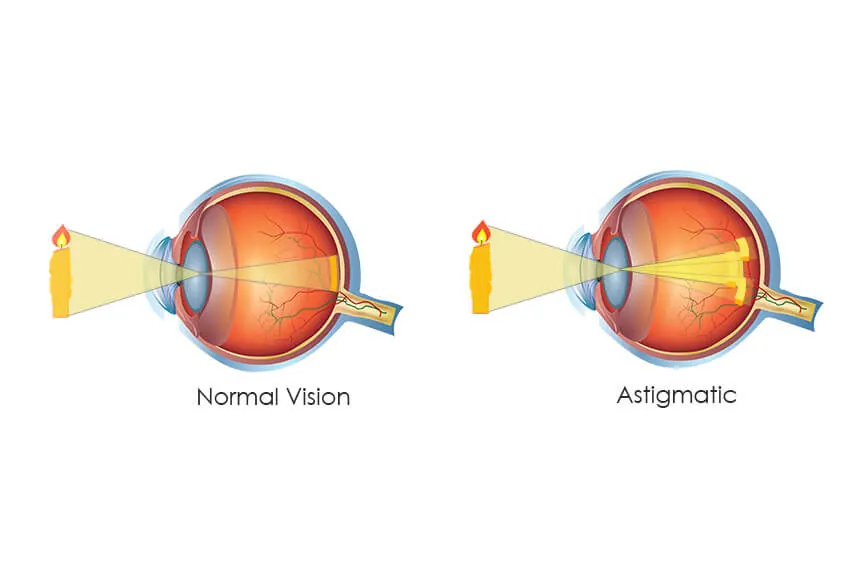
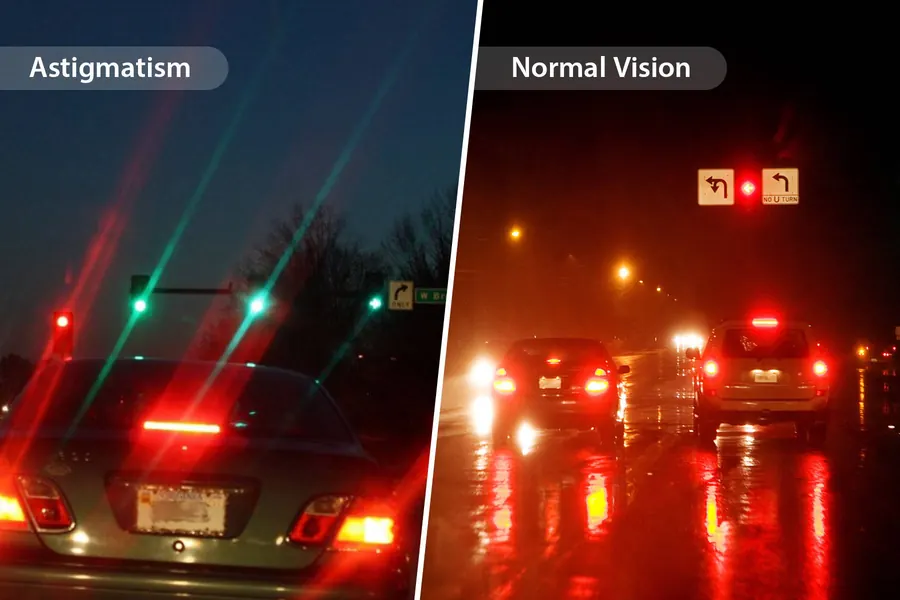
These lenses allow more oxygen to reach the cornea, which can help alleviate dry eye symptoms for some wearers. If you have astigmatism, consider toric eye lenses for improved comfort and vision.
Lifestyle Changes to Improve Dry Eye Symptoms
Hydration and Nutrition
Staying well-hydrated and consuming omega-3 fatty acids can support overall eye health and tear production.
Managing Screen Time
Reduce digital eye strain from devices such as computer monitors and smart phones by taking regular breaks and adjusting screen brightness and contrast.
Environmental Modifications
Use a humidifier in dry environments and steer clear of direct air from fans or air conditioning units.
When to Consult an Eye Care Professional
While many dry eye symptoms can be managed at home, it's crucial to seek professional help if you experience:
- Persistent discomfort or redness
- Sudden changes in vision
- Signs of eye infection
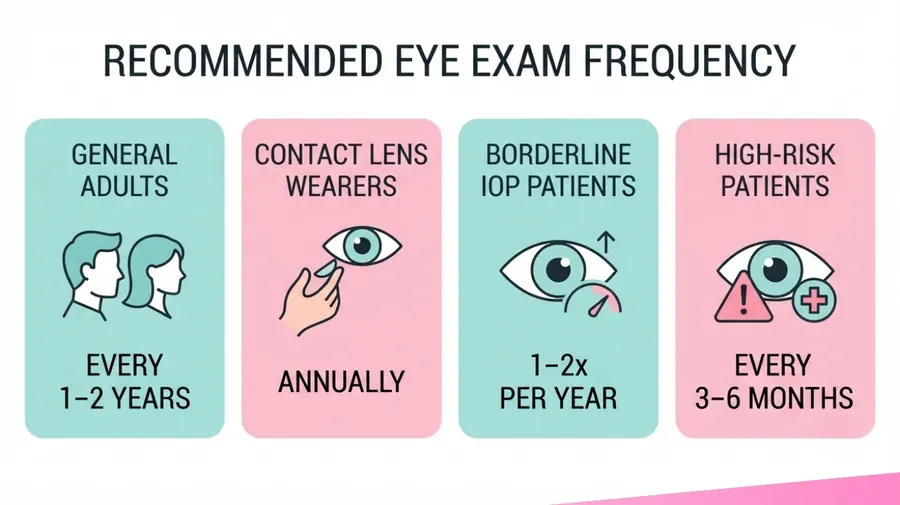
Regular eye exams are crucial for eye lens wearers to ensure ongoing eye health and to address any emerging issues promptly.
Conclusion
Eye dryness don't have to be a barrier to enjoying the perks of eye lenses. By understanding the causes and implementing appropriate management strategies, most people can discover relief from dry eye symptoms. Remember, proactive eye care and picking the right eye lenses are key to maintaining comfy, healthy eyes.
Are you struggling with eye dryness while putting on eye lenses? Explore SOLOTICA' range of moisture-rich and daily disposable eye lenses designed for optimal comfort. Don't let eye dryness hold you back – schedule an eye exam with a professional today and discover the ideal lenses for your needs.
Share Link copied! Tweet Share Pin it Previous post Next post